

Digital Seminar

Medication Treatment of Substance Use Disorders: What Therapists Need to Know

What Therapists Need to Know

Faculty:
Paul Brasler, LCSW, CAIMHP
Duration:
3 Hours 31 Minutes
Format:
Audio and Video
Copyright:
06 Oct, 2022
Product Code:
POS059063
Media Type:
Digital Seminar
Access:
Never expires.


Description

Over 100,000 people died of drug overdoses from April 2021 to March 2022, with over 70% of those deaths due to fentanyl or other powerful synthetic opioids. Medications like methadone, buprenorphine, naltrexone, and naloxone offer the best results in treating opioid use disorder, but many clients lack access to these treatments. Mental health clinicians need to be knowledgeable about medications for opioid use disorders (MOUD), and how to engage clients who are considering MOUD, or who receive MOUD. Effective behavioural health treatments that can be integrated with MOUD will be discussed, including case studies from the field. We will also examine how stigma continues to keep MOUD, and SUD treatment in general, from making a greater impact in our communities.
CPD

Planning Committee Disclosure - No relevant relationships

All members of the PESI, Inc. planning committee have provided disclosures of financial relationships with ineligible organizations and any relevant non-financial relationships prior to planning content for this activity. None of the committee members had relevant financial relationships with ineligible companies or other potentially biasing relationships to disclose to learners.  For speaker disclosures, please see the faculty biography.


CPD

PESI Australia, in collaboration with PESI in the USA, offers quality online continuing professional development events from the leaders in the field at a standard recognized by professional associations including psychology, social work, occupational therapy, alcohol and drug professionals, counselling and psychotherapy. On completion of the training, a Professional Development Certificate is issued after the individual has answered and submitted a quiz and course evaluation. This program is worth 6.75 hours CPD for points calculation by your association.


Handouts

Faculty

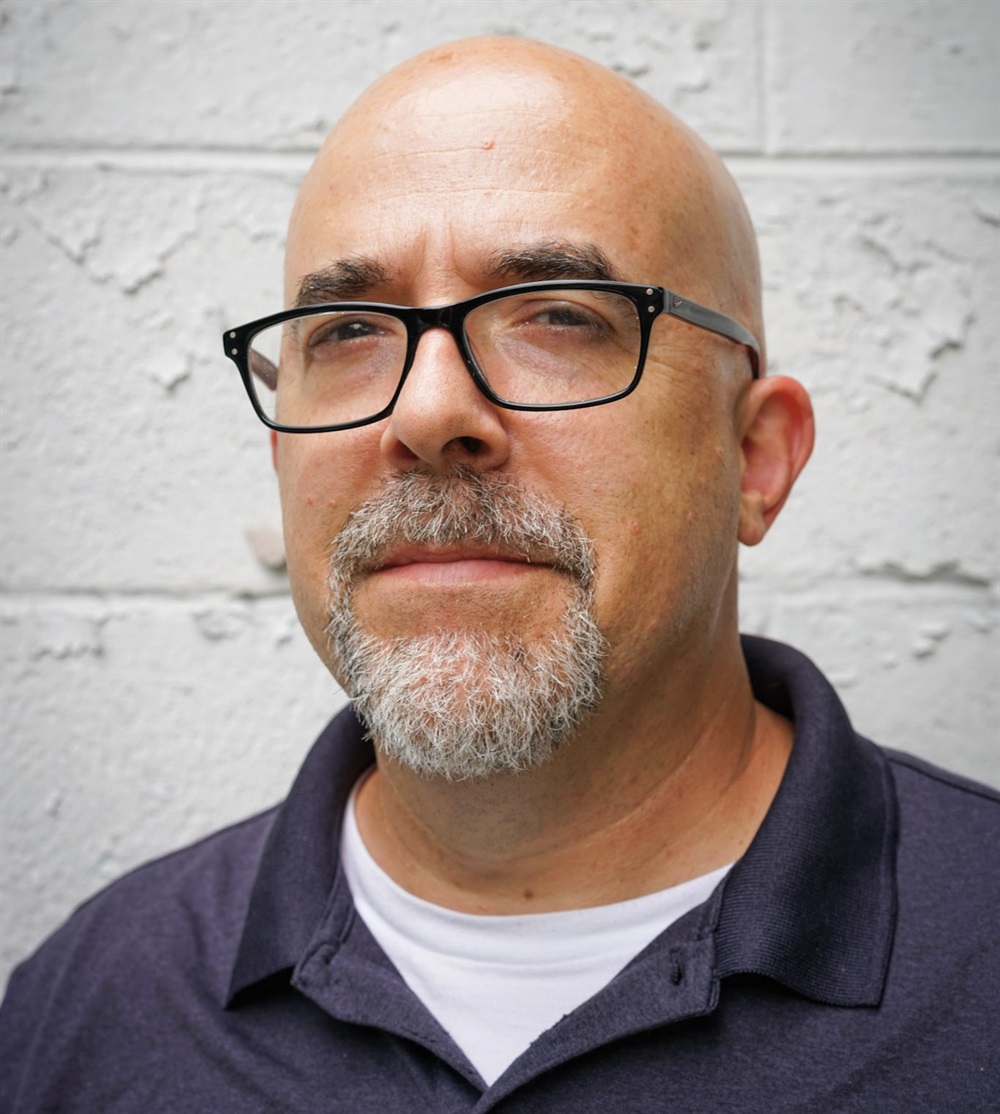
Paul Brasler, LCSW, CAIMHP's Profile

Paul Brasler, LCSW, CAIMHP Related seminars and products


Paul Brasler, LCSW, CAIMHP, became a licensed clinical social worker in 2002. Paul is the coordinator for the Chesterfield County (Virginia) Employee Behavioral Health Program, through which he and his team provide clinical services to first responders and human services personnel. He has extensive experience working with people in crisis and people living with substance use disorders, including adolescent residential treatment, community mental health settings, hospital emergency departments, juvenile drug court, and private practice.

Paul has been a national presenter (through PESI) since 2016, and he has presented classes across the country on mental health emergencies, high-risk clients, resiliency, and a certification course for clinicians working with people with substance use disorders. He has written three books: The Clinician’s Guide to Suicide Management, PESI Publishing, 2025; The Clinician’s Guide to Substance Use Disorder, PESI Publishing, 2022; and High-Risk Clients, PESI Publishing, 2019. Paul lives in Richmond, Virginia, with his beautiful wife, three sons, cowardly dog, and two dwarf rabbits who are quietly plotting to destroy the world.


Speaker Disclosures:
Financial: Paul Brasler maintains a private practice and has an employment relationship with Chesterfield County. He receives a speaking honorarium, recording, and book royalties from Psychotherapy Networker and PESI, Inc. He has no relevant financial relationships with ineligible organizations.
Non-financial: Paul Brasler has no relevant non-financial relationships.


Objectives

  1. Catalogue the primary substances that are killing Americans at the highest rate in history.
  2. Analyze how traumatic events have a “special” connection with opioids, and why this must be considered in all treatment settings.
  3. Appraise the medications used to treat opioid use disorder, and medications under study to treat stimulant use disorder.
  4. Practise strategies to engage clients considering MOUD and clients who are already engaged in MOUD.
  5. Theorize how stigma impacts MOUD delivery and ways that you can advocate for your clients and your community.

Outline

  • Common Myths of SUD and MOUD
  • The Most Common Drugs That Cause Mortality
  • The Medications for Opioid Use Disorder
  • “A Special Relationship” Trauma and Opioids
  • Engaging Clients in Medication Assisted Treatments
  • Going Beyond the Individual

Target Audience

  • Addiction Counselors
  • Counselors
  • Marriage & Family Therapists
  • Physicians
  • Psychologists
  • Social Workers
  • Other Mental Health Professions

Please wait ...

Back to Top