

Digital Seminar

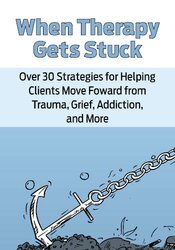
When Therapy Gets Stuck: Over 30 Strategies for Helping Clients Move Forward from Trauma, Grief, Addiction, and More


Faculty:
Chris Gazdik, BSW, MSW, LCSW
Duration:
6 Hours 07 Minutes
Copyright:
06 Jun, 2025
Product Code:
POS059972
Media Type:
Digital Seminar
Access:
Never expires.


Description

You sense your work with a client has hit a wall…

Where sessions used to end with a feeling of accomplishment, they now end with one or both of you feeling frustrated and discouraged.

Join Chris Gazdik, LCSW, highly experienced counsellor, presenter, and author for this experiential (and entertaining!) one-of-a-kind workshop where you will learn to effectively break through barriers to therapeutic progress.

This strategy-packed workshop was created specifically to address the internal conflict between wanting to hang on to the past and needing to move forward, the role of addictions, and the challenges involved in breaking the cycle of unresolved feelings that result in “stuckness.”

You will walk away with:

  • Must-use techniques drawn from CBT, ACT, motivational interviewing, and mindfulness-based psychotherapy models to overcome stuck points in therapy
  • Values-driven goal-setting strategies for trauma and grief processing, substance use disorders, and persistent emotional responses such as fear, shame, and regret
  • Strategies to leverage the therapeutic relationship to break through therapeutic barriers

REGISTER TODAY to gain the tools you need to help your clients overcome barriers to progress and move toward healing.

CPD

Planning Committee Disclosure - No relevant relationships

All members of the PESI, Inc. planning committee have provided disclosures of financial relationships with ineligible organizations and any relevant non-financial relationships prior to planning content for this activity. None of the committee members had relevant financial relationships with ineligible companies or other potentially biasing relationships to disclose to learners.  For speaker disclosures, please see the faculty biography.


CPD

PESI Australia, in collaboration with PESI in the USA, offers quality online continuing professional development events from the leaders in the field at a standard recognized by professional associations including psychology, social work, occupational therapy, alcohol and drug professionals, counselling and psychotherapy. On completion of the training, a Professional Development Certificate is issued after the individual has answered and submitted a quiz and course evaluation. This program is worth 6.25 hours CPD for points calculation by your association.


Handouts

Faculty

Chris Gazdik, BSW, MSW, LCSW's Profile

Chris Gazdik, BSW, MSW, LCSW Related seminars and products


Christopher Gazdik, BSW, MSW, LCSW, is the author of Through a Therapist’s Eyes: Reunderstanding Emotions and Becoming Your Best Self, and Through a Therapist’s Eyes Volume 2: Reunderstanding Your Marriage and Becoming Your Best as a Spouse, podcaster, and popular speaker who is known for his energetic and passionate presentation style.

Chris has over 25 years of experience as a mental health and substance abuse therapist and has founded two therapy companies. He also serves as a preceptor for nursing and physician assistant programs, has published over 220 episodes of the Through a Therapist’s Eyes podcast, and is a sought-after presenter on a variety of topics.


Speaker Disclosures:
Financial: Christopher Gazdik is the founder of Metrolina Psychotherapy Associates and is a preceptor with Garner Webb University. He is a podcaster with Through a Therapist's Eyes. Christopher Gazdik receives a speaking honorarium from PESI, Inc. He has no relevant financial relationships with ineligible organizations.
Non-financial: Christopher Gazdik has no relevant non-financial relationships.


Objectives

  1. Identify the neurobiological mechanisms behind therapeutic “stuckness.”
  2. Choose trust and rapport-building activities to address therapist misattunement.
  3. Utilise motivational interviewing strategies to uncover hidden motivations.
  4. Utilise cognitive strategies to manage the fear of change.
  5. Develop acceptance in the context of grief through activities exploring the meaning of loss.
  6. Use values identification to replace negative coping skills.

Outline

STUCKNESS IN THERAPY

  • Sticking points in the brain
  • The power of an accurate diagnosis
  • Red flags and tools to help clients identify stuckness
  • Tools to differentiate the cause of stuckness

HOW TO GET UNSTUCK
Correct Therapist Misattunement Build (or repair) therapeutic alliance

  • Activity: Trust and rapport-building options
  • Skill: Cultural humility
  • Skill: Address the “threat” of therapy
  • Limitations of the research and potential risks

Work with Secondary Gains
Outweigh the benefits of staying the same

  • Activity: Explore and acknowledge hidden motivations
  • Exercise: Envision alternate futures
  • Skill: Top motivational interviewing strategies to empower clients
  • Case conceptualisation: Ask the right questions

Rescue the Hijacked Amygdala
Get out of survival mode

  • Handout: Hijack the freeze response
  • Psychoeducation: The dorsal-vagal response to trauma and grief
  • Body work: 5 on-the-spot somatic strategies for relaxation and grounding
  • Exercise: Fear validation

Address Cognitive Immobility
Break free from the trap of the past

  • Activity: Values-driven goal setting
  • Process: The REACH Model of forgiveness
  • Exercise: Must-use mindfulness strategies for the here-and-now
  • Handout: Three defusion techniques to reduce misguided guilt, fear, and insecurities
  • Activity: Thought changing

Face the Hopelessness of Grief
Move towards acceptance

  • Activity: The meaning of loss
  • Handout: The Tasks of Grieving
  • Psychoeducation: Awareness, acceptance, action

Replace Negative Coping Skills
Trade instant gratification for longlasting positive outcomes

  • Psychoeducation: Acceptance vs avoidance
  • Activity: Values identification to address addictions
  • Activity: The Three C’s of CBT
  • Skill: Safely open the emotional floodgate
  • Handout: Set healthy boundaries
  • Interactive case study

Target Audience

  • Counsellors
  • Social Workers
  • Marriage and Family Therapists
  • Addiction Counsellors
  • Behavioural Health Nurses
  • Psychologists
  • Other Mental Health Professionals

Please wait ...

Back to Top