

Menu
As the world around us continues to shift, clients living at the intersection of multiple marginalized identities may be navigating additional cultural stressors and finding it harder to show up in spaces where they don’t feel safe. Treating trauma that stems from experiences of racism and ambiguous loss can be challenging. These losses run deep in the lives of minoritized clients, but they’re generally unrecognized by society, and despite the pervasiveness of racialized stress and discrimination in the everyday lives of people of color, many clinicians don’t feel adequately equipped to address the trauma of racism. Through interactive discussion and experiential exercises, participants will gain the knowledge to develop culturally informed strategies to treat Black, Indigenous, and other clients of color who’ve experienced racial stress or trauma. You’ll also learn:
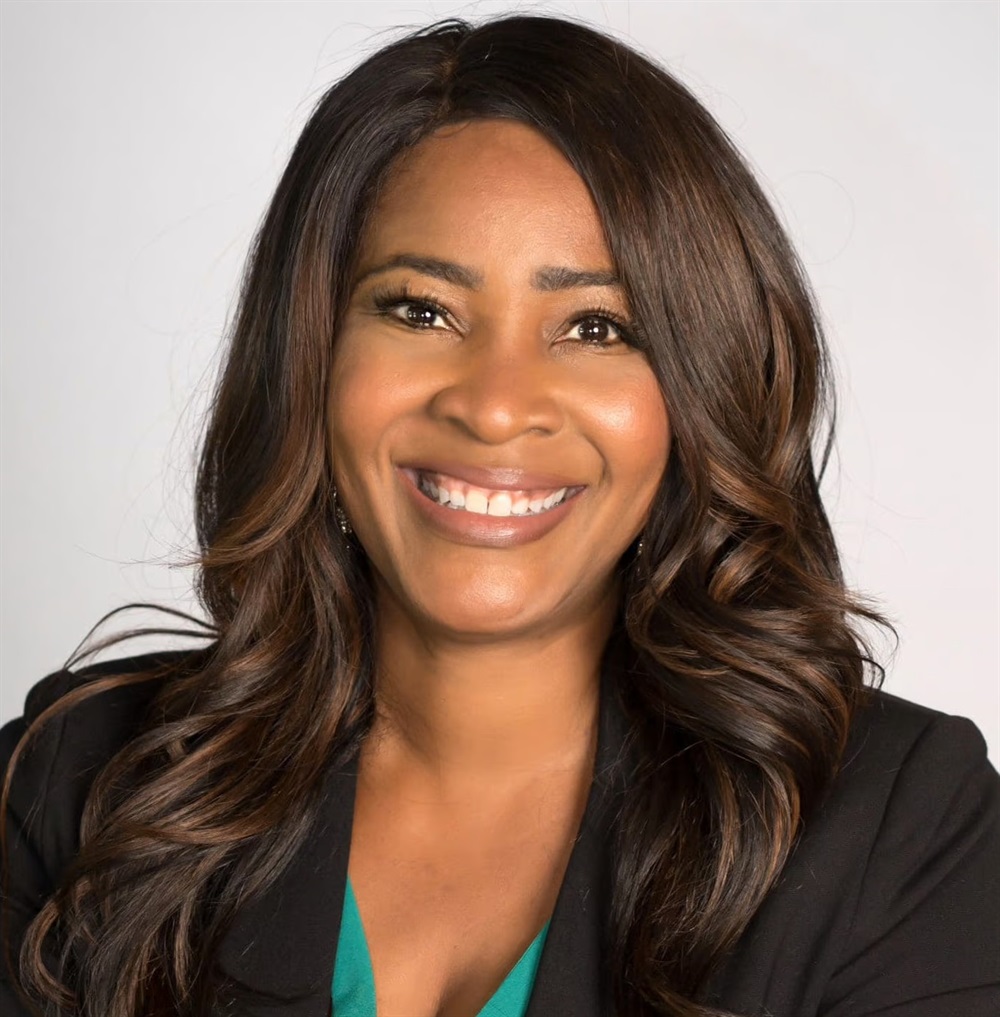
Chinwé Williams, PhD, is a licensed and board-certified EMDR therapist, and counselor educator and supervisor with close to two decades of experience supporting individuals in trauma recovery. She has a strong commitment to helping clients overcome various forms of trauma and anxiety. As a published researcher, author, consultant, and educator, Dr. Williams brings a wealth of knowledge to her work.
Her expertise lies in somatically focused approaches that teach clients how to regulate the nervous system and utilize the body for healing from various traumatic experiences. Formerly a faculty member at Georgia State University, the University of Central Florida, and Rollins College, she specializes in trauma recovery, stress/anxiety management, adolescent and women’s wellness, and equity-centered trauma-informed education.
Dr. Williams is actively involved in contributing to the field of behavioral health. She consults with several corporate and nonprofit organizations, and school districts. Dr. Williams also serves on the advisory board for Brightline, a telemedicine company providing mental health support to kids, teens, and families. In this role, she consults on the best practices to support diverse youth and families through programs, content development, and care team training.
She is the author of three books, SEEN: Healing Despair and Anxiety in Kids and Teens Through The Power of Connection, Beyond the Spiral: Why You Shouldn’t Believe Everything Anxiety Tells You, and Calm, Courageous and Connected: A Parent’s Guide to Raising Emotionally Resilient Kids. As the owner of Meaningful Solutions Counseling & Consulting, a thriving private practice in Roswell, GA, Dr. Williams applies her expertise to address a broad range of trauma issues across many client demographics.
Speaker Disclosures:
Financial: Dr. Chinwé Williams maintains a private practice, the co-owner of Southeastern Counselor Training Institute, and a presenter for Lyra Health. She receives a speaking honorarium and recording royalties from PESI, Inc. She has no relevant financial relationships with ineligible organizations.
Non-financial: Dr. Chinwé Williams is a subject matter expert with Orange.
Access never expires for this product.
For a more detailed outline that includes times or durations of time, if needed, please contact cepesi@pesi.com.
Hidden signs and symptoms of cultural and racialized trauma
Limitations of the research and potential risks of treatment
Avoiding the common clinician missteps around racialized trauma
Integrating racially-informed frameworks into common approaches to trauma treatment such as EMDR, IFS, and Sensorimotor Psychotherapy
Please wait ...
