
Menu
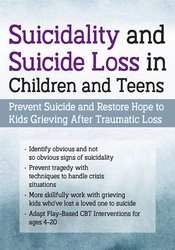
Suicide shatters worlds. And working with suicide is one of the most nerve-wracking and emotionally draining parts of your job.
Whether your client is a suicidal young person, or one who’s grieving in the aftermath of a loved one’s death by suicide, the weight of the situation can leave you feeling uncertain of your next steps and looking for answers …
This recording will provide you with answers to your toughest questions and give you the tools you need to assess for suicide risk in kids and adolescents, effectively intervene in suicidal crisis, and help them cope with the feelings that can leave them at risk for suicide.
You’ll also learn how to apply play therapy interventions for children and teens whose worlds’ have been shattered following a loved ones’ death by suicide.
Along with guidance from our expert instructors, these evidence-based techniques will empower you to work with vulnerable young people experiencing traumatic grief more skillfully than ever before.
This recording will leave you feeling confident and capable in your ability to move young clients toward hope and healing!
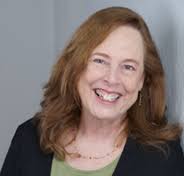
Leslie W. Baker, MFT, NCC, RPT-S™ ST-CT, has 35 years of experience as a licensed marriage and family therapist and a National Board-Certified Counselor. Leslie has over 20 years of experience teaching graduate-level courses at John F. Kennedy University in Campbell, CA, and the University of Phoenix in San Jose, CA. She is currently the CEO/Director of the Therapy2Thrive® Ruby Hill Marriage & Family Counseling Center in Pleasonton, CA, which provides community counseling services. Leslie is a Certified Gottman Therapist and a Registered Play Therapist-Supervisor, integrating play with all ages. Leslie has been a trained Suicide Bereavement Clinician since 2017. She is a trained Sand Tray Therapist Consultant/Trainer. Leslie is a local, national, and international speaker. She has been the Keynote Speaker on Survivors of Suicide Loss Day for NAMI, FERC, and AFSP from 2014 to 2018. Leslie is a co-presenter with Mary Ruth Cross for PESI on “Suicidality & Traumatic Grief and Loss in Children & Teens” in Spokane, Bothell, Tacoma, WA & Ontario, as well as in Anaheim and Pasadena, CA in 2019, and online through PESI. Leslie has co-presented suicide workshops with Mary Ruth Cross, addressing youth and suicide since 2019 to the present. Leslie is the Presenter of Suicide Intervention in Kids and Teens: The Most Up-To-Date Tools to Assess for and Respond to Suicidality in Young Clients.
Leslie is the co-editor and co-author of Assessing and Treating Suicidal Thinking and Behaviors in Children and Adolescents: A Play Therapy Guide for Mental Health Professionals for Virtual Reality in Mental Health Care from the American Medical Extended Reality Association. Leslie is the author of Healing Feelings: A Healing Story for Children Coping with an Adult’s Mental Illness and is the co-author of Snug and Rug and No Good Very Bad Thing, a story of coping, calming, and courage for children. She is a guest chapter author in three books on topics ranging from VR & Suicide, Expressive Therapies in Teleplay and Integrating Technology into Psychotherapy.
Speaker Disclosures:
Financial: Leslie Baker maintains a private practice and has an employment relationship with the University of Phoenix. She receives a speaking honorarium from PESI, Inc. She has no relevant financial relationships with ineligible organizations.
Non-financial: Leslie Baker is a member of the California Association of Marriage and Family Therapists, the International Association of Play Therapy, and the World of Sandtray Professionals Associations.
Mary Ruth Cross, MFT, RPT-S, is a licensed Marriage and Family Therapist and Counselor Educator with over 24 years’ experience in the mental health field. Mary Ruth is a dedicated educator and has been on faculty with both University of Phoenix and John F. Kennedy training graduate students in the field of clinical counseling and play therapy. Mary Ruth is a nationally recognized speaker on play therapy and working with children and their families. She works in a private practice counseling center as CEO and Owner of Treehouse Family Counseling Services in San Ramon, CA.
Mary Ruth trains and supervises interns and trainees focusing on building a strong therapeutic team. Mary Ruth is a Registered Play Therapist Supervisor as well as past president for the California Association for Play Therapy and a member in good standing with the Association of Play Therapy, California Association for Marriage and Family Therapy. Mary Ruth continues to be involved in the play therapy community by participating in leadership on local and statewide events and participation on committees with The Association for Play Therapy.
Mary Ruth is co-owner of Academy for Play Therapy Training, Inc.™ where she plans and implements workshops geared to improving the knowledge and expertise of clinicians in the use of play therapy. Mary Ruth has presented workshops nationally and internationally in support of improving counselor efficacy.
Speaker Disclosures:
Financial: Mary Ruth Cross maintains a private practice. She receives a speaking honorarium from PESI, Inc. She has no relevant financial relationships with ineligible organizations.
Non-financial: Mary Ruth Cross is a member of the California Association for Marriage and Family Therapy; the Association for Play Therapy; and the American Counseling Association.
Warning Signs For Children and Teens
Risk Assessment And Crisis Response
Creating The Treatment Plan
Bringing The Prefrontal Cortex Back Online
Suicide Prevention
Treatment of Traumatic Grief After Suicide Loss
Supporting School Staff, Parents and Caregivers
Please wait ...