

Menu
Many adult clients entering therapy don’t know they’re autistic, and often neither do their therapists. After all, they may have become experts at masking “quirky” autistic traits and they might not fit therapist stereotypes of autism. Yet, neurodivergent wiring shapes every aspect of their life, including their therapy. Working effectively with this population means understanding the implications of having felt like an outsider their whole life due to their neurodivergence, often experiencing minority stress and discrimination from being cast as “weird” or even “broken.” In this workshop, you will:
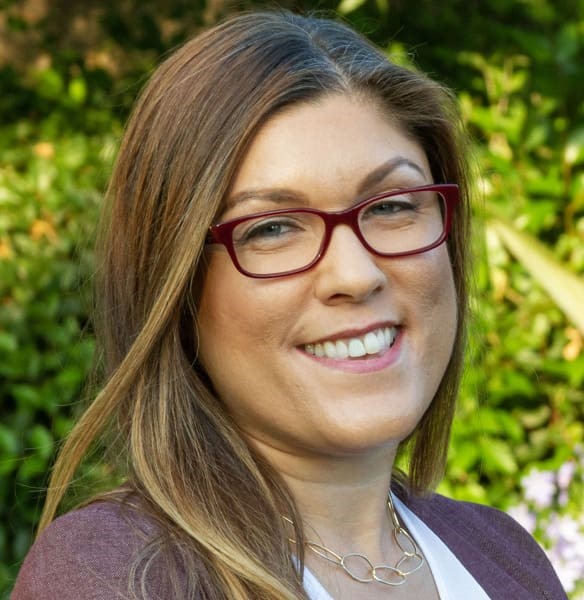
Tasha Oswald, PhD, (she/her) is a neurodiversity-affirming licensed psychologist and clinical consultant, IFS Level 3 trained and polyvagal-informed. She identifies as a neurodivergent, Caucasian, cisgender female. Dr. Oswald is passionate about addressing the gap in mental health services for autistic adults and youth. For this reason, she founded the adult autism specialty practice, Open Doors Therapy, based in California. She specializes in working with autistic women, autistic working professionals, gifted and neurodivergent individuals, emerging adults on the spectrum, and adults receiving a later life ASD diagnosis. Seeing the transformative power of group therapy for autistic adults, group work is a cornerstone of her practice. Being in the field for nearly 20 years, Dr. Oswald has received extensive training in autism. After completing her PhD in psychology with an autism emphasis, she was awarded an NIH-Funded Autism Research Training Program (ARTP) post-doctoral fellowship. Through this fellowship program, she engaged in interdisciplinary training and research at the world-renowned UC Davis MIND Institute. While at the MIND Institute, she developed and established a therapy group program for young adults on the autism spectrum called the ACCESS Program. She has published autism research in preeminent research journals. Currently, Dr. Oswald is known for her widely read neurodiversity blog and her regular contributions to international media platforms as an authority on autism. A sought-after speaker and advocate, she has delivered presentations at numerous research conferences, autism-focused events, universities, community gatherings, and corporate settings, aiming to increase awareness of mental health issues faced by autistic adults.
Speaker Disclosures:
Financial: Tasha Oswald is the founder and director of Neurodiversity Training Center and the Neurodiversity Wellness Center. She has an employment relationship with Open Doors Therapy. Tasha Oswald receives a speaking honorarium from PESI, Inc. She has no relevant financial relationships with ineligible organizations.
Non-financial: Tasha Oswald has no relevant non-financial relationships.
Access never expires for this product.
For a more detailed outline that includes times or durations of time, if needed, please contact cepesi@pesi.com.
Recognising signs of autism in adults and common presenting problems
Enhancing cultural competence to promote inclusion
Applying a Neurodiversity-Affirming Approach to support your autistic clients
Using techniques to help clients explore and embrace their neurodivergent identities
Please wait ...
