

Menu
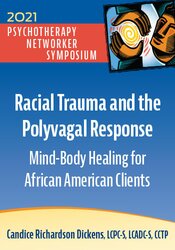

Not only were African Americans disproportionately impacted by COVID-19 due to rampant socioeconomic disparities, but other brutal reminders of systemic racism continue to erupt across the country and in the news. Daily microtraumas and a feeling of not being physically safe or valued in our society lead to a state of stress, anger, hypervigilance, mistrust, shame, and fear. This recording explores how neuroceptions and the Polyvagal pathways shape the adaptive reactions of African Americas to race-based stress and trauma—and what clinicians can do to address them and the related emotional burdens we all carry. Discover how to:
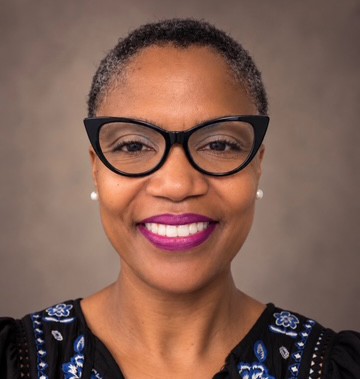
Candice R. Dickens, LCPC-S, LCADC, NCC, MA, CCTP, is a licensed clinical professional counselor supervisor, licensed clinical alcohol and drug counselor, national certified counselor, and certified clinical trauma professional with over 35 years of clinical experience. She is the founder and clinical director of CRA Counseling & Consulting Agency in Ellicott City, Maryland, where she specializes in treating complex trauma, anxiety disorders, depression, marital conflict, and substance use among high-achieving adults and couples. She’s trained in multiple evidence-based modalities including Internal Family Systems (IFS) therapy, Eye Movement Desensitization and Reprocessing (EMDR), Brainspotting, and Imago Relationship Therapy. Her clinical approach integrates culturally sensitive, trauma-informed techniques with somatic and mind-body practices, including trauma-informed yoga, Yoga Nidra, breathwork, and meditation.
A dedicated community organizer and professional leader, Ms. Dickens serves on the executive board of the Maryland Board of Professional Counselors and is a national workshop proposal reviewer for the EMDR International Association (EMDRIA). She is an active scholar and educator whose work centers on intersectional, narrative-driven approaches to counselor education, with a particular focus on amplifying the experiences of neurodivergent black women in graduate education. She is also a popular speaker and has been featured at major conferences such as NAADAC National Conference, Black Mental Health Alliance Conference, Psychotherapy Networker, and Boston University School of Social Work.
Speaker Disclosures:
Financial: Candice Richardson Dickens has employment relationships with ACENTRA Health, Echelon Community Services, and CRA Counseling & Consulting Agency. She receives a speaking honorarium and recording royalties from Psychotherapy Networker and PESI, Inc. She has no relevant financial relationships with ineligible organizations.
Non-financial: Candice Richardson Dickens an executive board member for The Night of Peace Shelter and is a member of the Maryland Association of Imago Therapists.
Implement tools that address the impact of micro and macro-trauma on the psychosocial development of African American clients
Introduce Microtrauma as a fear-based conditional response to situations that elicit terror and powerlessness.
Examine the role the sympathetic nervous system plays in their reactions to microtraumas.
Provide clinical treatment interventions that determine levels of reactivity and offer treatment modalities.
Incorporate trauma and shame reducing techniques in sessions to help African American clients access memories that keep them stuck in the narrative of victimization
Please wait ...
