

Menu
Over the past 20 years, more and more therapists have devoted themselves to exploring the relevance of neuroscience for the practice of psychotherapy. This session will feature a provocative, far-ranging dialogue about the impact of neuroscience on our field and whether or not it has increased the effectiveness of psychotherapy. It will consider a range of questions including: What specific clinical advances have resulted from therapists’ expanded understanding of neurobiology? How has it extended our capacity for offering deep healing? What have we learned about how to better change both the mind and the brain? Has the therapeutic influence of neuroscience been oversold? What new breakthroughs may be on the horizon? You’ll learn:

Bessel van der Kolk, MD, is a pioneer clinician, researcher, and teacher in the area of posttraumatic stress. He’s the author of the ongoing New York Times bestseller, The Body Keeps the Score: Brain, Mind, and Body in the Treatment of Trauma.
Speaker Disclosures:
Financial: Dr. Bessel van der Kolk is a professor at Boston University School of Medicine, the Director of the Trauma Center, and the National Complex Trauma Network. He receives royalties as a published author. Dr. van der Kolk receives a speaking honorarium, recording royalties, and book royalties from PESI, Inc. He has no relevant financial relationships with ineligible organizations.
Non-financial: Dr. Bessel van der Kolk has no relevant non-financial relationships with ineligible organizations.
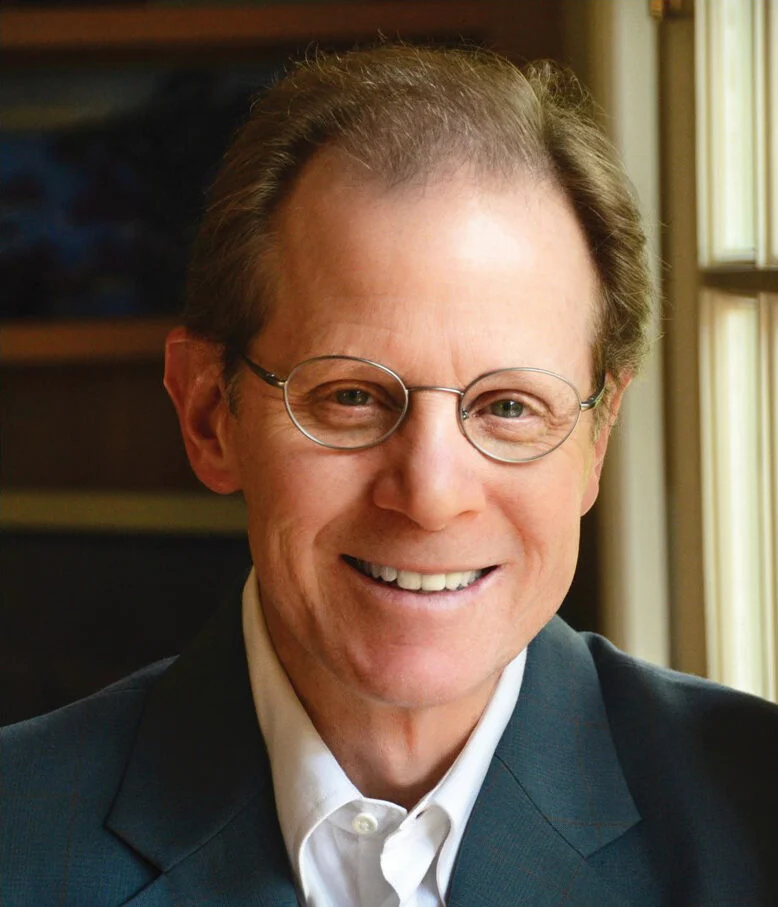
Dr. Dan Siegel is the founder and director of education of the Mindsight Institute and founding co-director of the Mindful Awareness Research Center at UCLA, where he was also co-principal investigator of the Center for Culture, Brain and Development and clinical professor of psychiatry at The School of Medicine.
An award-winning educator, Dan is the author of five New York Times bestsellers and over fifteen other books which have been translated into over forty languages. As the founding editor of the Norton Professional Series on Interpersonal Neurobiology (“IPNB”), Dan has overseen the publication of over one hundred books in the transdisciplinary IPNB frame which focuses on the mind and mental health.
A graduate of Harvard Medical School, Dan completed his postgraduate training at UCLA specializing in pediatrics, and adult, adolescent, and child psychiatry. He was trained in attachment research and narrative analysis through a National Institute of Mental Health research training fellowship focusing on how relationships shape our autobiographical ways of making sense of our lives and influence our development across the lifespan.
Speaker Disclosures
Financial: Dr. Dan Siegel serves as the Medical Director at the Lifespan Learning Institute and is the Co-Founder and Director of Education at the Mindsight Institute. He is also the founding editor of the Norton Series on Interpersonal Neurobiology. Dr. Siegel receives royalties as a published author and serves as a scientific advisor for the Inner Development Goals initiative and as an advisor for the Center for Child Well-Being. Additionally, he receives honoraria and recording royalties from Psychotherapy Networker and PESI, Inc. Dr. Siegel has no relevant financial relationships with ineligible organizations.
Non-financial: Dr. Dan Siegel is an honorary member of the Austrian Federal Association for Mindfulness. He also serves on the Board of the Garrison Institute and as an advisory board member for both Gloo and Convergence.
Please wait ...
