

Menu

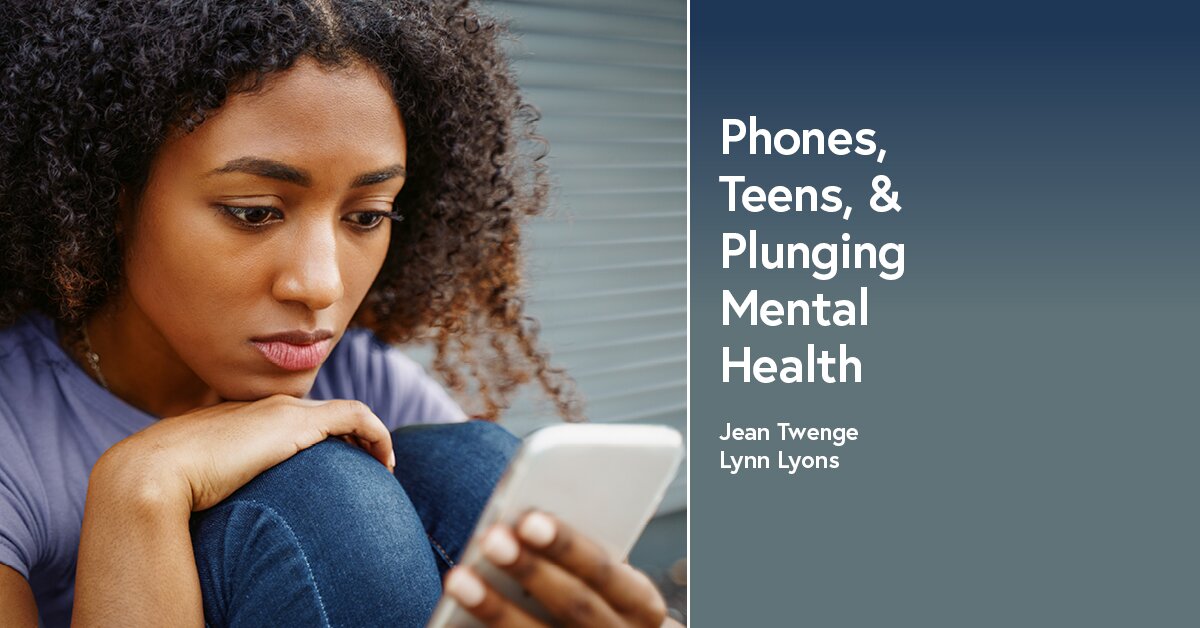
Today’s adolescents and teens barely drink or smoke, get into fewer fights, and have less sex. By many measures, they’re healthier and safer than they’ve ever been. And yet, in the last couple of decades, suicide rates have doubled among 12–14-year-olds, and there’s been a major increase in depression among teens in general. What gives?
In this workshop, a teen anxiety expert and a popular research psychologist will help you help your clients:
Connect the dots between smartphones entering the market and our stunning drop-off in teen wellness
Go beyond the headlines and into the research about what developing a healthy relationship to technology looks like
Tease apart the reasons socialising online may not be a replacement for in-person time
Understand the good and bad of already anxious teens connecting through technology
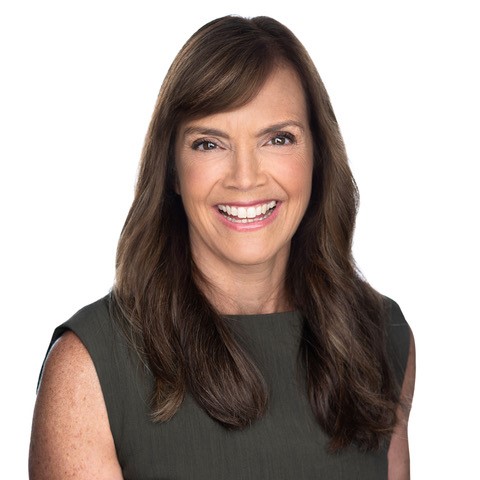
Lynn Lyons is a licensed clinical social worker and psychotherapist in Concord, New Hampshire. She has been in private practice 35 years specializing in the treatment of anxiety disorders in adults and children.
Lynn travels internationally as a speaker and trainer on the subject of anxiety, its role in families, and the need for a preventative approach at home and in schools. She is a sought-after expert, appearing in The New York Times, Time, NPR, Psychology Today, Good Morning America, Today Show and other media outlets. Lynn is a featured expert in the 2023 documentary Anxious Nation.
Speaker Disclosures:
Financial: Lynn Lyons maintains a private practice and receives royalties as a published author. She receives compensation as an international presenter. Lynn Lyons receives a speaking honorarium, recording, and book royalties from Psychotherapy Networker and PESI, Inc. She has no relevant financial relationships with ineligible organizations.
Non-financial: Lynn Lyons has no relevant non-financial relationships.
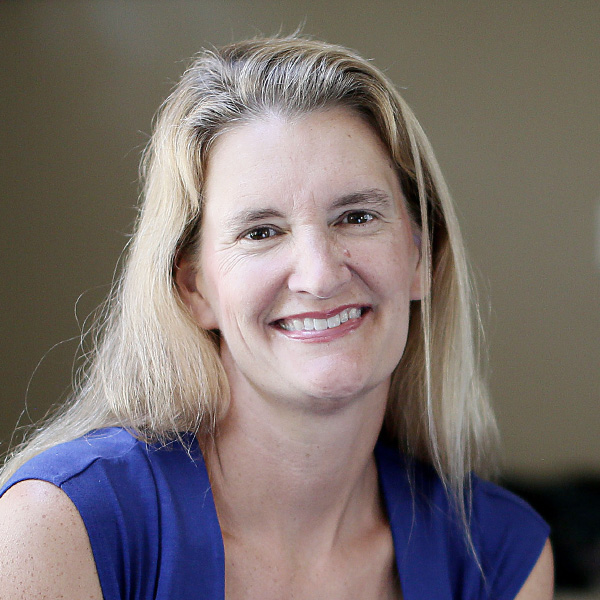
Jean M. Twenge, Professor of Psychology at San Diego University, is the author of more than 190 scientific publications and seven books, including Generations: The Real Differences between Gen Z, Millennials, Gen X, Boomers and Silents – and What They Mean for America’s Future and iGen: Why Today’s Super-Connected Kids Are Growing Up Less Rebellious, More Tolerant, Less Happy – and Completely Unprepared for Adulthood. Dr. Twenge frequently gives talks and seminars on generational differences based on a dataset of 42 million people. Her audiences have included parents, military personnel, college faculty and staff, high school teachers, camp directors, and corporate executives. Her research has been covered in Time, Newsweek, The New York Times, USA Today, US News and World Report, and The Washington Post, and she has been featured on Today, Good Morning America, CBS This Morning, Fox and Friends, NBC Nightly News, Real Time with Bill Maher, and National Public Radio. She holds a BA and MA from the University of Chicago and a PhD from the University of Michigan. She publishes her latest analyses and updates on the Generation Tech substack.
Speaker Disclosure:
Financial: Jean Twenge is a professor at San Diego State University. She receives a speaking honorarium from PESI, Inc. Jean has no relevant financial relationships with ineligible organizations.
Non-financial: Jean Twenge has no relevant non-financial relationship to disclose.
Access never expires for this product.
For a more detailed outline that includes times or durations of time, if needed, please contact cepesi@pesi.com.
Current research on impact of smartphone use
What role do therapists have?
Next steps in light of the research
Risks and Limitations
Please wait ...
