

Menu

Clinicians often shy away from targeting/treating trauma and PTSD when clients present with high-risk behaviours, including non-suicidal self-injury and suicidal behaviours. This is often true even for clinicians with significant expertise in treating trauma. Unfortunately, a majority of clients who engage in high-risk behaviours have also experienced significant trauma or meet criteria for PTSD, and their trauma-related symptoms often prompt suicidal and self-injurious behaviours.
Many clients find themselves stuck in a catch-22; their trauma-related symptoms cause severe emotional distress that makes NSSI and suicidal behaviours more likely to occur, and these behaviours, in turn, render them ineligible for many treatments that would address their trauma.
On the other hand, clients without the ability to regulate and tolerate intense emotions and distress can be overwhelmed by trauma treatment, and treatment can actually be harmful or dangerous to them.
Dialectical Behaviour Therapy, a treatment approach that was initially developed to help people with frequent and intense suicidal behaviour who often had histories of trauma, offers tools and structures that help to resolve these very conundrums.
In this talk, attendees can expect to get a brief overview of strategies, tools and lessons learned in the context of DBT that will help them support clients who engage in suicidal behaviours. Clinicians will leave this talk with a few helpful guidelines and tools from DBT that may change their approach and comfort level working with trauma in a safe and effective manner when high-risk behaviours are a consideration.
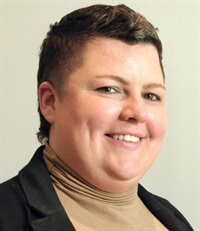
Nathalie Lovasz, PhD is a clinical psychologist and the founder and clinic director of the Ontario DBT Centre. Dr. Lovasz has over fifteen years of experience as a DBT clinician, researcher and supervisor and has received training from various DBT experts including Dr. Marsha Linehan, creator of DBT. Over the course of her career, Dr. Lovasz has established several successful DBT programs, specifically relating to the treatment of complex trauma. Her research on DBT and other clinical topics has been presented at international conferences and published in scientific journals.
Speaker Disclosures:
Visit our FAQ page at https://www.pesicanada.com/faq or contact us at https://www.pesicanada.com/contact-us
Please wait ...
