

Menu
For clients who’ve long struggled with major depression, looking at their diagnosis through the lens of hypo-arousal provides a framework for understanding and treating their cognitive, emotional, somatic, and behavioural symptoms. Adding a psychosocial lens helps them process intrapsychic, interpersonal, and environmental triggers. In the face of these triggers, it’s important to help clients understand the current research around the adverse, long-term effects of “medical marijuana” when used to treat depression—and to offer them a host of creative, non-pharmacological tools so they can get effective relief for their debilitating symptoms. In this workshop, we’ll explore the myriad approaches that can help clients feel more empowered to manage their affective disorders and decrease the negative thoughts, feelings, and uncomfortable somatic experiences that can overwhelm them. You’ll learn:
Simple interventions to add to your clinical toolbox for treating major depression that positively connect body and mind
Cognitive reframing through writing and art prompts, visualisation, guided imagery solution-focused strategies, parts work, and self-talk
Somatic resourcing techniques that offer clients gentle body-based tools that can bring quick relief for symptoms of depression
How to feel more empowered about the management and treatment of affective disorders
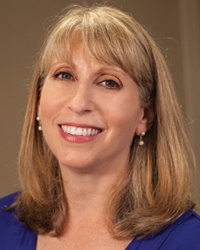
Lisa Ferentz, LCSW-C, DAPA, is a recognized expert in the strengths-based, de-pathologized treatment of trauma and has been in private practice for over 40 years. She has been an adjunct faculty member at several universities, and is the founder of The Ferentz Institute, now in its seventeenth year of providing continuing education to mental health professionals and graduating several thousand clinicians from her two certificate programs in advanced trauma treatment. In 2009 she was voted the “Social Worker of the Year” by the Maryland Society for Clinical Social Work. She is the author of Treating Self-Destructive Behaviors in Trauma Survivors: A Clinician’s Guide, now in its second edition, Letting Go of Self-Destructive Behaviors: A Workbook of Hope and Healing and Finding Your Ruby Slippers: Transformative Life Lessons from the Therapist’s Couch.
Speaker Disclosures:
Financial: Lisa Ferentz maintains a private practice and is the Founder and President of the Ferentz Institute. She receives royalties as a published author. Lisa Ferentz receives a speaking honorarium and product royalties from Psychotherapy Networker and PESI, Inc. She has no relevant financial relationships with ineligible organizations.
Non-financial: Lisa Ferentz is a member of the National Association of Social Workers and the American Psychotherapy Association.
Access never expires for this product.
For a more detailed outline that includes times or durations of time, if needed, please contact cepesi@pesi.com.
Incorporating psychoeducation
The dangers of using medical marijuana to treat depression
Non-pharmacological strategies to treat depressed mood and cognitions
Somatic resourcing
Working with cognitive distortions
Using art therapeutically
Solution-focused strategies
Risks and Limitations
Please wait ...
