

Menu


How exactly do people become stuck in their trauma, and how can they recover? Cognitive Processing Therapy (CPT) is a rapidly growing model that has uncovered key cognitive processes that, when addressed, can affect lasting healing from PTSD—without the need for exposure to traumatic memories. In fact, it’s one of the few effective trauma treatments that doesn’t rely on exposure. In this session, you’ll discover the key processes behind this approach, which has shown an incredible durability of results in a head-to-head trials. During this session, you will explore:
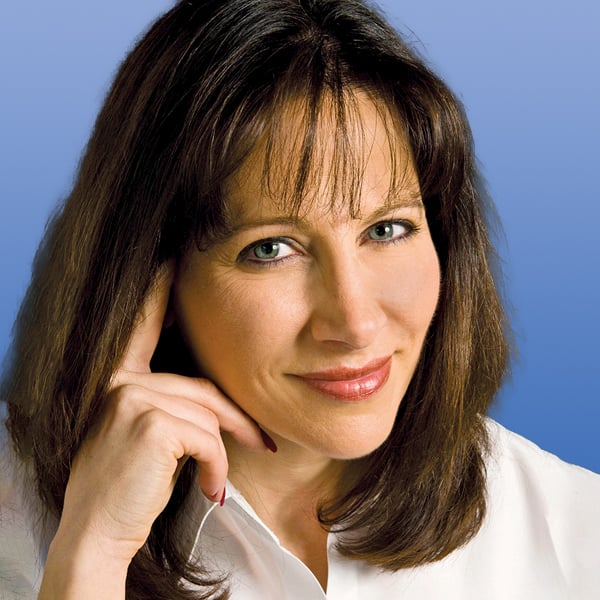
Kathleen M. Chard, Ph.D., is a co-developer of CPT and director of the Trauma Recovery Center at the Cincinnati VA Medical Center. Serving as the VA CPT Implementation Director, Dr. Chard oversees the dissemination of CPT to mental health clinicians across the United States. She is the co-author of Cognitive Processing Therapy for PTSD: A Comprehensive Model (The Guilford Press, 2017) and author of CPT for Sexual Abuse treatment manual (2012). A sought-after speaker, Dr. Chard has personally trained over 5,000 clinicians throughout the United States on using CPT with veterans, active-duty personnel, and civilians in addition to overseeing the training of tens of thousands of others via the trainers she supervises. She is co-chair of a 17-site study comparing CPT to Prolonged Exposure in US veterans in addition to conducting a $6 million-dollar Department of Defense study on the assessment of PTSD. She served as a past editor of the Journal of Traumatic Stress and is a professor of Clinical Psychiatry and Behavioral Neuroscience at the University of Cincinnati.
Speaker Disclosures:
Financial: Kathleen Chard has employment relationships with Cincinnati Veterans Administration Medical Center, the Cincinnati Veterans Administration Medical Center, the University of Cincinnati, and the Department of Veterans Affairs. She receives royalties as a published author. She has a research activity that is grant funded through DoD/CDMRP/TBIPHRP and the PESI Foundation. Kathleen Chard receives a speaking honorarium, recording, and book royalties from Psychotherapy Networker and PESI, Inc. She has no relevant financial relationships with ineligible organizations.
Non-financial: Kathleen Chard is an ad hoc reviewer for several peer review journals, for a complete list contact PESI, Inc. She is a member of the International Society for Traumatic Stress Studies.
Access never expires for this product.
For a more detailed outline that includes times or durations of time, if needed, please contact cepesi@pesi.com. ** no”Access to Self Study” tab available.
Visit our FAQ page at www.pesi.com/faq or contact us at www.pesi.com/info
The basis for positive results from CPT research
Common myths around PTSD recovery
Case studies utilizing PTSD
The keys behind how CPT helps clients recover from PTSD
Please wait ...
