

Menu
I used to think of gender dysphoria as a wall that I could not get around when working with clients with disordered eating. A restrictive client would tell me, “I can’t gain weight or my gender dysphoria will get really bad.” I would nod because I had experienced that in my own life, and I did not know how to move forward.
Disordered eating is an epidemic in the LGBTQ community, with up to 75% diagnosed or suspected of having (age 13-24) were diagnosed/suspected of having an eating disorder (Trevor Project, 2018). Clients may say, “I want to stop binge eating, but in a smaller body, I get misgendered” or “All the laws are changing. If I’m not thin enough to pass as a woman, I will be beat up or killed as I walk down the street.” As clinicians, we don’t know what to say, because we are afraid that it’s true.
Changing body size or shape through food and exercise may be a way of shaping the body so that it feels more congruent to the client’s internal mirror. But sometimes this process of crafting the body gets in the way of life. Clients might fixate on food, obsess about exercise, fear small body changes, or avoid social situations due to body image concerns.
Sometimes gender dysphoria can be seen as a hopeless diagnosis. Instead, let’s empower clients to see gender dysphoria as a powerful coping mechanism! This strong coping mechanism is developed through trauma and lived experience. It shows us who we are, how to safely show up in social situations, and how to present authentically to the world. When utilized effectively, this coping skill can help people beat disordered eating and navigate life in their bodies.
This practical seminar is loaded with conceptual frameworks, practical exercises, and conversation topics that you can use immediately with gender-expansive clients. If you are tired of feeling defeated by the wall of gender dysphoria in disordered eating recovery purchase now!
Chris Sherman
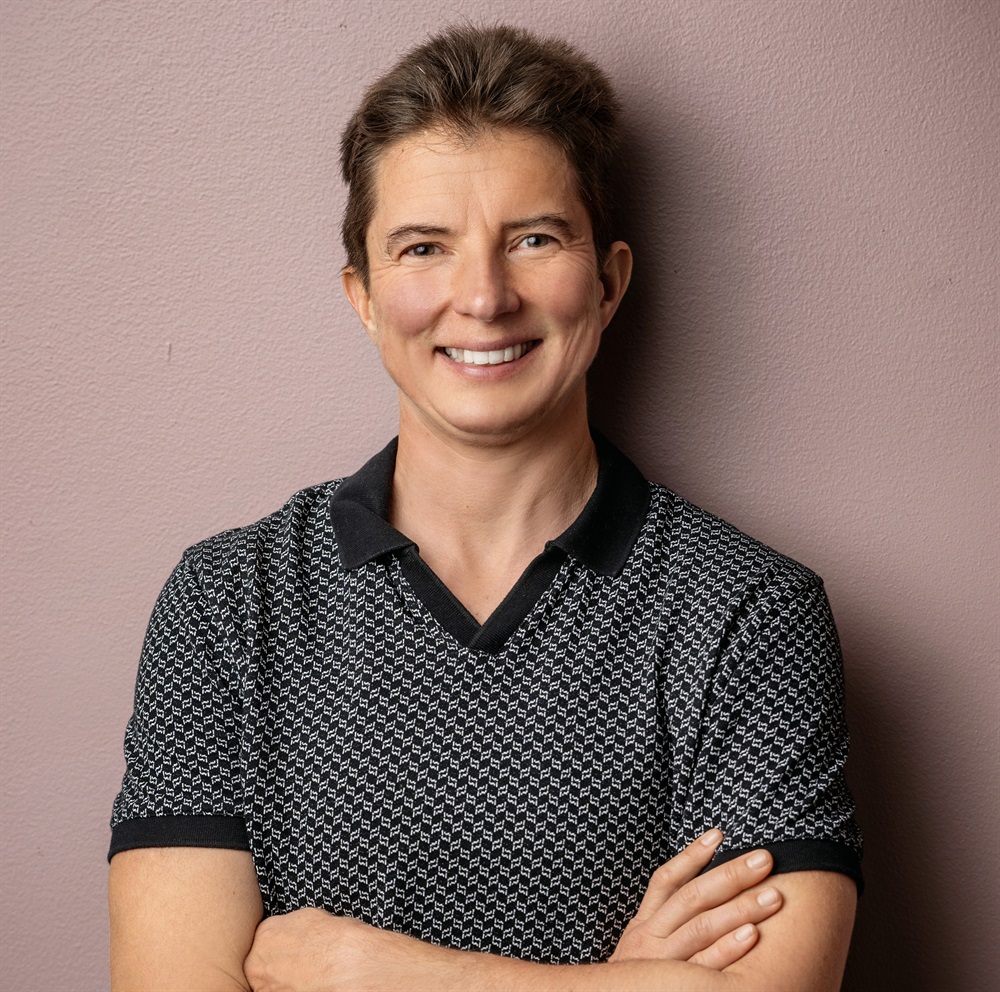
Chris Sherman, LPC, LCPC, E-RYT 200, CPT, GFI, (they/them) is a therapist specializing in the intersection of eating disorders, neurodivergence, and gender dysphoria. Chris has over 10 years of experience working with eating disorders in a variety of settings: residential, outpatient, and community-based non-profits. Their professional experience at both institutions and grass roots organizations gives them perspective on how traditional treatments often fail vulnerable populations. Their lived experience as a gender expansive, neurodivergent human drives their passion for providing effective clinical care for those with intersecting, marginalized identities.
Chris is an educator, therapist, advocate, and researcher who has conducted trainings and published on eating disorders and autism. They see clients in Washington DC and Maryland at their practice, Thrive As You Are.
Speaker Disclosures:
Financial: Chris Sherman maintains a private practice and has employment relationships with St. Coletta of Greater Washington, Capitol Hill Sport & Health, District Flow Yoga, and Resilient Me. They receive a speaking honorarium and recording royalties from PESI, Inc. They have no relevant financial relationships with ineligible organizations.
Non-financial: Chris Sherman has no relevant non-financial relationships.
Access never expires for this product.
For a more detailed outline that includes times or durations of time, if needed, please contact cepepesi.com
Disordered Eating Treatment With Gender Expansive Clients
Trauma, Gender Dysphoria & Disordered Eating
Integration of Gender Identity into Disordered Eating Treatment
Navigating Emotions with Gender Dysphoria
Gender Presentation Beyond Physical Appearance
Diagnosis & Treatment
The Role of a Therapist
Case Conceptualization
Please wait ...
