

Menu
This practical workshop, led by Dr. Robert T. Muller, author of psychotherapy bestseller: Trauma and the Avoidant Client, builds our understanding of the therapeutic relationship with challenging trauma clients.
As therapists, we try to maintain a strong therapeutic relationship, but this can be easier said than done. Drawing on attachment theory and research, and using a relational, integrative approach, Dr. Muller follows the ups and downs of the therapy relationship in trauma work. He points to choices therapists make in navigating the process, examining how they affect outcome.
Specifically, we look at relationship patterns in trauma work, and how these can lead to troubling therapist-client enactments. When left unchecked, such patterns lead to ruptures in the relationship. In trauma work, how do we repair a ruptured alliance? And how can we help clients grow from the experience? This workshop looks at such issues in detail.
Theory is complemented by case examples and therapy segments. We draw from Dr. Muller's most recent therapy book, Trauma and the Struggle to Open Up, winner of the 2019 ISSTD award for the year’s best written work on trauma.
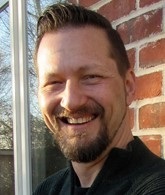
Robert T. Muller, PhD, completed his postdoctoral fellowship at Harvard, was on faculty at the University of Massachusetts, and is currently a professor at York University in Toronto. Dr. Muller is a fellow and member of several scientific societies and is the 2024 recipient of the Pierre Janet Award for his work in the field of trauma treatment. His most recent psychotherapy book Trauma & the Struggle to Open Up was awarded the 2019 Written Media Award for the year’s best written work on trauma. And his award-winning bestseller, Trauma & the Avoidant Client has been translated widely. As lead investigator on several multi-site programs to treat interpersonal trauma, Dr. Muller has lectured internationally. He founded an online magazine, The Trauma & Mental Health Report that is now visited by over 100,000 readers a year. With over 30 years in the field, he practices in Toronto.
Speaker Disclosures:
Financial: Dr. Robert Muller maintains a private practice and has an employment relationship with York University and is the director of Trauma Practice for Building Healthy Communities. He is the founder and editor of The Trauma & Mental Health Report. He receives royalties as a published author. Dr. Muller receives a speaking honorarium from PESI, Inc. He has no relevant financial relationships with ineligible organizations.
Non-financial: Dr. Robert Muller is an editorial board member for Attachment: New Directions in Psychotherapy and sent Relational Psychoanalysis, the Open Journal of Medical Psychology, and the International Society for the Study of Trauma & Dissociation. He is a manuscript reviewer for several peer review journals, for a complete list contact PESI, Inc. Dr. Muller is a member of the Ontario Psychological Association and is a fellow with the International Society of the Study of Trauma and Dissociation.
Access never expires for this product.
For a more detailed outline that includes times or durations of time, if needed, please contact cepesi@pesi.com.
Opening Up About Trauma: A Relational Process
Pacing the Process: Using the Therapeutic Relationship to Regulate Disclosure
The Therapist’s Inner World: Navigating Your Own Attachment in Trauma Treatment
Conflict as a Catalyst: Navigating Ruptures and Repairs in Therapy
This structured approach ensures therapists walk away with practical, actionable skills they can use immediately—without adding extra time or complexity to their sessions.
Please wait ...
