

Menu
Our political, gender, and racial and ethnic divides don’t just stop at the voting booth: they’re increasingly impacting our clients’ mental health, home life, work, and communities. Of course, these cultural shifts are also impacting our therapeutic relationships and treatment efficacy. Drawing from systemic, evidence-based approaches that help repair and strengthen struggling relationships, this workshop will provide you with practical and ethical strategies to not only help your clients navigate division outside the therapy room, but help you and your clients explore cultural differences that exist in your work together, deepening the therapeutic relationship in the process. Together, we’ll walk through concrete steps you can take to make your office a safe and inviting environment for clients of all cultural backgrounds and ways to reduce cultural countertransference. You’ll also learn how to:
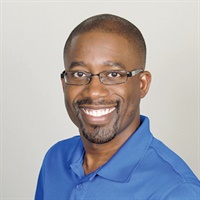
Lambers Fisher, MS, LMFT, MDiv, is a marriage and family therapist who has counseled individuals, couples, and families from a variety of cultural backgrounds, in private practice, non-profit organizations, as well as ministry environments. He has a strong desire to help counseling professionals in various fields feel more comfortable, competent and confident in their ability to meet the needs of whomever they have the opportunity to serve. Lambers' training experience includes facilitating workshops, guest lecturing, as well as being an adjunct instructor at Crown College on various aspects of diversity in counseling.
Lambers is the author of the award-winning book, Diversity in Clinical Practice: A Practical & Shame-Free Guide to Reducing Cultural Offenses & Repairing Cross-Cultural Relationships.
Currently, Lambers is a therapist in private practice where he effectively balances personal and professional experiences to provide unique and practical perspectives on a variety of culturally sensitive topics. Lambers supervises aspiring therapists as a board-approved supervisor for the Minnesota Board of Marriage & Family Therapists as well as the Minnesota Board of Behavioral Health. He obtained a Master of Science in Marriage & Family Therapy as well as a Master of Divinity from Fuller Theological Seminary in Pasadena, CA.
Speaker Disclosures:
Financial: Lambers Fisher maintains a private practice and has an employment relationship with Christian Heart Counseling. He is an adjunct instructor at Crown College. Lambers Fisher receives a speaking honorarium, book royalties, recording royalties, and a consulting fee from Psychotherapy Networker and PESI, Inc. He has no relevant financial relationships with ineligible organizations.
Non-financial: Lambers Fisher is a member of the American Association for Marriage & Family Therapy and the Minnesota Association for Marriage & Family Therapy.
Access never expires for this product.
For a more detailed outline that includes times or durations of time, if needed, please contact cepepesi.com
Cultural Competencies in Mental Health
Components of a Culturally Safe Therapeutic Environment
Assessments & Interventions
Please wait ...
