Please wait ...

Your roadmap to move beyond "problem behaviours" and unlock transformation.
This course includes
  • Instant access to all modules
  • Three bonus CPD sessions
  • Up to 24 CPD hours
  • Digital Display Badge

$959.95 Value
Just $299.95!

GET STARTED NOW!

This certificate course makes the hardest part about doing your job the best part of your job…

Start your journey to specialize in Child & Adolescent Behaviour treatment and set yourself apart from the rest.

Help kids and teens become the people they were meant to be!

Child & Adolescent Behaviour Treatment Certificate
Practical Strategies for Pathological Demand Avoidance, ODD, Reactivity, Withdrawal, & More

$959.95 Value Just $299.95 Today!
Plus, earn up to 24.0 CPD Hours included in the course tuition.
Click here for CPD details | Click here for course objectives and outline
 
Child & Adolescent Behaviour Treatment Outline

Transforming Dysregulation, Reactive, Aggressive, and Withdrawn Behaviours

Tere Bowen-Irish

Designed for occupational therapists, mental health clinicians, educators, and other child-serving professionals, this module offers a practical, compassionate path forward for even the most reactive, aggressive, or withdrawn children.

You'll discover:

  • How to decode extreme behaviours and design a path forward
  • Coregulation and sensorimotor-based strategies to restore connection
  • New tools for responding to elopement, shutdowns, aggression, and self-injury
  • Polyvagal-informed techniques that support nervous system resilience
  • Personalized "Go-To Menus" for prevention and recovery routines
  • Coaching methods to foster consistent, compassionate environments

This course won't just expand your toolbox — it will help you organize it into a powerful, integrated system to support the kids who need it most.


Getting the Root of Behaviour

Communication, Not Defiance

  • Unmet developmental, sensory, cognitive, and social-emotional needs
  • Environmental contributors: schedule, demands, transitions, overstimulation
  • Emerging diagnoses (ASD, ADHD, PDA & more)
  • Gaps in functional skills
  • Behavioural patterns across settings: home, school, community
  • Relational dynamics: peers, adults, authority
  • Sensory processing challenges and common environmental triggers
  • Structured behaviour tracking and data collection tools

The Role of the Brain & Nervous System

Trauma, Stress and the Developing Brain

  • The impact of chronic dysregulation on learning, participation, and relationships
  • Brain pruning in the early teen years: Behavioural implications
  • Nervous system states explained through Polyvagal Theory
  • Differentiating shutdown, fight/flight, and functional freeze responses
  • Recognize how your own nervous system impacts responses to dysregulation
  • Supporting executive functioning skills: inhibition, flexibility, planning, and self-monitoring
  • Limitations of the research and potential risks

Preventative Interventions

Setting the Stage for Success

  • Neurodiversity-affirming, sensory-safe environments
  • Daily mindfulness practice to build self-awareness
  • 20+ movement strategies for use throughout the day:
    • Heavy work to support emotional regulation
    • Vestibular input to facilitate focus
    • Bilateral coordination tasks to facilitate cognitive flexibility
  • Visuals, timers, and cues for transitions and predictability
  • Go-to menus of coping tools and regulation strategies
  • Point-of-performance coaching to build skills in real time
  • Choice, autonomy, and refusal as communication
  • Play, humor, and connection
  • Use-anywhere tools for emotional literacy
  • Consistency across home, school, and therapy settings

Acute Interventions

Responding in the Moment

  • Meltdown vs. shutdown vs. escalation
  • Crisis response team: Trusted adults, not just available staff
  • Cues and precursors to acute behaviour
  • Verbal de-escalation scripts and visual cues
  • Structured exits, alternative escape routes, and break plans
  • Elopement, self-harm, or aggression: Safety and regulation as the goal
  • Connection during refusal or withdrawal
  • “Bounce-Back” systems post-incident to rebuild trust and resilience
  • Neuroaffirming incident documentation: No blame-based language

The Human Element in Intervention

  • Embedding relational safety as a core strategy
  • Co-regulation opportunities
  • Consideration of an embodied approach
  • Student voice and nervous system signals
  • Emotional recovery and re-engagement
  • Predictable rituals for repair and reconnection
  • Intentional relationship-building

Tools for Working with Pathological Demand Avoidance (PDA) and Oppositional Defiance Disorder (ODD)

Dr. Amy Marchall

Explore a paradigm shift, reframing these labels and the resulting behaviours as survival strategies rooted in trauma, neurodivergence, and developmental delay — less about "bad behaviour" and more about a neurological mismatch.

  • Learn the root causes of ODD, PDA, IED, and more — so you can address the underlying issues, not just the symptoms
  • Use trauma-informed, neurodiversity-affirming assessments to decode behaviour and uncover unmet needs
  • Apply tools that build trust, co-regulation, and emotional resilience in autistic children, kids with ADHD, PTSD, and more
  • Replace meltdowns, shutdowns, and aggression with interventions that promote felt safety and emotional regulation
  • Empower parents and educators to support regulation and healing in any setting

You'll also learn to challenge outdated myths and labels, and support clients through insight, not control.


The Neurodiversity Paradigm: A Brief Overview

A way forward through affirming, trauma-informed care

  • Neurodivergence, neurodiversity, and the shift toward neurodiversity affirming practice
  • The medical model in mental health care: Help or harm?
  • PDA and ODD as controversial constructs: Diagnoses or mislabels?
  • Diagnostic critiques: Cultural bias, pathologizing autonomy, and misinterpreting trauma

Assessment & Diagnoses

A Trauma-Informed, Neurodiversity-Affirming Approach

  • Medical vs. educational diagnosis
  • Why labels like ODD and PDA remain debated in clinical practice
  • When ODD reflects trauma, unmet needs, or neurodivergence
  • PDA and the DSM™: Clinical relevance without formal recognition
  • Differentiate PDA and ODD from
    • Autism Spectrum Disorder
    • Conduct Disorder
    • Intermittent Explosive Disorder
    • Disruptive Mood Dysregulation Disorder
  • Determine the root cause of behaviour:
    • Tantrums vs. meltdowns
    • Elopement, shutdowns, and aggression
    • Self-harm behaviour
    • Environmental and relational context

“Behaviour Problems” Through a Compassionate Lens

What lies beneath: the discomfort of changing established practices

  • Trauma’s impact on brain development and behaviour
  • The neurology of neurodiversity
  • Core principles for clinicians and caregivers:
    • Behaviour as communication
    • Curiosity over anger, support over punishment
    • Shift from compliance-based to collaborative care
    • Reframe “defiance” as autonomy, fear, or sensory distress
  • Case conceptualization examples

A Fresh Approach to Change the Narrative

Build insight, communication, and attachment

  • Communication & Regulation Tools:
    • Educate kids and parents about the brain and neurodivergence
    • Expressing feelings: code words, escape plans, visuals, apps
    • Emotion regulation: butterfly hugs, stomp & roar, mindfulness
    • Movement and sensory strategies: safe spaces, sensory play, body-based tools
    • Routines and sleep: overcome barriers, hygiene plans, predictability across settings
  • Strengthen Relationships
    • Regulation, choice, and responsibility; developmentally matched tools
    • Parent-child: child-led play, check-ins, and intentional connection
    • Educator-student: practical tools for authentic engagement
    • Building inclusive, responsive classroom environments
  • Creative & Play-Based Interventions
    • Games, non-directive play, and creative outlets for big emotions
    • Research limitations and potential risks of misapplied strategies Risks and limitations of common interventions

Break Through Behavioural Roadblocks

In-the-moment responses to significant behaviours

  • Suicide/self-harm statements
  • Elopement
  • Verbal and physical aggression
  • Controlling behaviours
  • When systems push back:
    • Navigate families and educators demanding strict discipline plans
    • Reframe resistance from adults who struggle to change

Integrative System Play Therapy (ISPT) for Disruptive Behaviour Disorders

Dr. Michael Whitehead

Discover how play therapy unlocks safety, trust, and self-expression—while also helping you shift from authority to attunement. Leave with a toolbox of…

  • Experiential, neurobiologically informed play therapy strategies —from LEGO®, SORRY!®, origami, and juggling games to HeartMath®
  • Somatic play therapy activities to strengthen co-regulation, foster resilience, and transform family and classroom dynamics
  • The BISON model for regulation, communication, and helps kids re-engage with the world around them


Why Behaviour Plans Fail Children 

  • Compliance-based systems that silence play and expression  
  • Reward/consequence systems that backfire with neurodivergent kids   
  • How adult reactions can escalate aggression and shutdowns 

Foundations for Healing Through Play Therapy

  • Top strategies based in Coercion Theory to shift power struggles into connection   
  • Family Systems approaches to reduce triangulation and chaos   
  • Temperament Theory insights to personalize intervention   

The BISON Model: A Framework for Intervention   

  • Bio-Emotion Regulation   
    • Tools for heart rate variability tracking (HeartMath®, Mightier)   
    • Interoceptive and somatic play activities for nervous system awareness  
  • Individual Play Therapy  
    • Child-centered play therapy activities to build safety and agency  
    • Play therapy based engagement  for nonverbal, shutdown, or explosive kids   
  • Successful Communication   
    • Filial play therapy coaching to strengthen parent-child dialogue 
    • Effective command techniques that reduce defiance   
    • Family meeting templates that create consistency without chaos   
    • In-session parent coaching framework   
  • Organized Play Therapy  
    • 10+ classroom-ready tools using games like SORRY!®, LEGO®, and origami   
    • Directive play therapy plans to target frustration, rigidity, and problem-solving   
    • Juggling and movement-based regulation activities   
  • Nurturing Play Therapy  
    • Filial play therapy structures to empower caregivers   
    • Attachment-building routines for home carryover   
    • Sensory-rich fine-motor play therapy to soothe and regulate 

Clinic-to-Classroom Carryover   

  • School scripting examples for classroom communication   
  • Regulation visuals and shared behaviour tools   
  • Reframing “defiance” as distress through play therapy informed strategies 

Real Families, Real Change   

  • Case study: “Adam” from intake to transformation   
  • Integration of systems therapy, play therapy, and school collaboration   
  • Ready-to-use handouts, scripts, and session templates   

Research, Risks, and Rethinking Behaviourism   

  • Key limitations of behaviour-first approaches   
  • Evidence-informed vs. evidence-based debate—what matters most   
  • Risk assessment checklists for providers, schools, and families  
Child & Adolescent Behaviour Treatment Certificate
Practical Strategies for Pathological Demand Avoidance, ODD, Reactivity, Withdrawal, & More

$959.95 Value Just $299.95 Today!
Plus, earn up to 24.0 CPD Hours included in the course tuition.
Click here for CPD details | Click here for course objectives and outline
BONUS, 3 FREE CPD Trainings, Digital Badge, & Certificate of Completion!
$209.95 Value, FREE!
Tips, Tricks, and Play Therapy
                                            Techniques to Help Kids Manage Anger
Tips, Tricks, and Play Therapy Techniques to Help Kids Manage Anger

Join best-selling author and international speaker Liana Lowenstein for tips on:

  • Decoding the message underlying the child's anger outburst
  • Tools to communicate anger without resorting to tantrums or aggressive behaviour
  • Innovative games and other play therapy interventions to help children identify anger triggers and self-regulate in appropriate ways

Don't miss this opportunity to learn innovative play therapy interventions to equip children and parents with essential ways to reduce anger outbursts and to foster positive behaviour change!


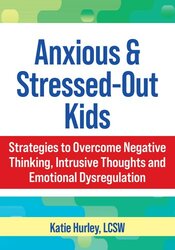
Anxious & Stressed-Out Kids
Anxious & Stressed-Out Kids: Strategies to Overcome Negative Thinking, Intrusive Thoughts and Emotional Dysregulation

Join Katie Hurley, DSW, LCSW, and author of The Stress-Buster Workbook for Kids, as she teaches you tools rooted in Cognitive Behaviour Therapy. You'll be equipped to:

  • Spot the signs of cognitive, physical, and emotional stress and anxiety
  • Assess symptoms of stress and anxiety and how they present at different ages
  • Notice the warning signs of negative thinking in kids
  • Help young clients positively reframe intrusive thoughts

Get tried-and-true strategies to help kids navigate the stressors of everyday life, overcome challenges and build self-confidence.


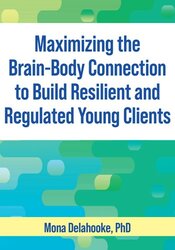
Brain-Body Connection for
                                            Resilience and Regulation
Brain-Body Connection for Resilience and Regulation

Dr. Mona Delahooke will deepen your understanding and ability to help kids co-regulate. She will teach you why it's critical to treatment success, maximize treatment outcomes, and fill in a missing aspect of what is learned in traditional youth mental health treatment. You'll explore:

  • The important skill of self-regulation grows out of a child's experience of co-regulation
  • How Internal bodily sensations lead the way for future emotional literacy and mental health
  • A new treatment roadmap that you can integrate into your practice immediately
  • Why we need to shift away from individual child psychotherapy to dyadic work with caregivers

And much more!


Downloadable Digital Badge & Printable Certificate of Completion

Downloadable Digital Badge
Share it on ALL your therapist, coach, and clinical profiles!

Printable Certificate of Completion
Display it on your office wall to admire.
Child & Adolescent Behaviour Treatment Certificate
Practical Strategies for Pathological Demand Avoidance, ODD, Reactivity, Withdrawal, & More

$959.95 Value Just $299.95 Today!
Plus, earn up to 24.0 CPD Hours included in the course tuition.
Click here for CPD details | Click here for course objectives and outline

Meet the Speakers

Amy Marschall, PsyD

Amy Marschall, PsyD, is a licensed clinical psychologist in South Dakota, working primarily with children and adolescents. She is trained in trauma-informed care as well as cognitive behavioural therapy, and in 2017 became certified in trauma-focused cognitive behavioural therapy. In her clinical practice, Dr. Marschall works with survivors of abuse, families in the foster care system, children with incarcerated parents, clients dealing with high-conflict divorce or separation, and those growing up with other chronic stressors and traumas. Dr. Marschall was diagnosed in adulthood as AuDHD (Autistic and ADHD), which informs her deeply empathetic and lived understanding of neurodivergence.

Click here for information about Amy Marschall

Michael Whitehead, PhD

Michael Whitehead, PhD, is a Licensed Marriage and Family Therapist, Registered Play Therapist-Supervisor™, and developer of Integrative Systemic Play Therapy (ISPT). He earned his PhD in human development and family studies from Michigan State University and MS/BS degrees from Brigham Young University. In full-time practice at Aspen Grove Family Therapy in Twin Falls, Idaho, he specializes in high-conflict families, childhood behavioural challenges, and family reunification therapy. A part-time professor and published author, Dr. Whitehead is also the author of Treating Children with Disruptive Behaviour Disorders and a frequent speaker and professional leader in play and family therapy.

Click here for information about Michael Whitehead

Tere Bowen-Irish, OTR/L

Tere Bowen-Irish, OTR/L, has over 45 years of experience as an occupational therapist, specializing in psychiatry and pediatrics across hospital, school-based, and private practice settings. Through her practice, All the Possibilities, she provides consultation, evaluation, treatment, and education to support the functional and emotional well-being of children of all abilities. Tere has delivered continuing education nationally for over two decades, sharing practical, strengths-based strategies with therapists, educators, health professionals, and parents. She is also a certified Yoga Kids instructor and Mindful Schools Educator. Her publications include the Drive thru Menu Suite of Exercises, Yoga and Me, Come Be a Tree, and My Mindful Music (coauthored with Maryann Harman).

Click here for information about Tere Bowen-Irish

Liana Lowenstein

Liana Lowenstein is a licensed clinical social worker, certified play therapist-supervisor, and certified TF-CBT therapist who has been working with children and their families in Toronto for over 35 years. Her areas of specialty include treating trauma, bereavement, divorce, anxiety, and ADHD. She integrates play therapy into evidence-based models such as CBT and TF-CBT. Liana's 14 books are used by mental health professionals and children's support workers all over the world; Her best-selling titles include Creative Interventions for Bereaved, Creative Interventions for Children of Divorce, Creative CBT Interventions for Children with Anxiety, and Cory Helps Kids Cope with Sexual Abuse. Her latest book, Cory Helps Kids Cope with Grief: Playful Activities for Young Children, helps young grievers impacted by suicide, homicide, drug overdose, natural disasters, mass violence, war, military casualties, and other types of loss.

Click here for information about Liana Lowenstein

Katie Hurley, DSW, LCSW

Katie Hurley, DSW, LCSW, is a child and adolescent psychotherapist, parenting educator, public speaker, and writer. She is the founder of "Girls Can!" empowerment groups for girls between the ages of 5-11. Dr. Hurley is the senior clinical advisor of The Jed Foundation (JED), a nonprofit dedicated to youth and young adult mental health and suicide prevention. Dr. Hurley is the author of the award-winning No More Mean Girls: The Secret to Raising Strong, Confident, and Compassionate Girls, The Depression Workbook for Teens: Tools to Improve Your Mood, Build Self-Esteem, and Stay Motivated, and The Happy Kid Handbook: How to Raise Joyful Children in a Stressful World. Dr. Hurley covers mental health, child and adolescent development, and parenting for The Washington Post, PBS Parents, CNN, and NBC, among other places.

Click here for information about Katie Hurley

Mona M. Delahooke, PhD

Mona M. Delahooke, PhD, is a clinical psychologist who's worked with multi-disciplinary teams for over 30 years. A senior faculty member of the Profectum Foundation, she's the author of the national bestseller Brain-Body Parenting, How to Stop Managing Behaviours and Start Raising Joyful, Resilient Kids, and the award-winning Beyond Behaviors: Using Brain Science and Compassion to Understand and Solve Children's Behavioral Challenges.

Click here for information about Mona M. Delahooke

Frequently Asked Questions

If you see any kids and teens with behaviour problems, you'll likely find helpful solutions and problem-solving in this course. Whether you're new to working with kids, just have a few on your caseload, or want to expand your practice, this course provides an excellent education in the most-up-date interventions for working with challenging behaviours.


A certificate is a document issued upon the completion of a training program. It signifies that you have trained on specific skills, have trained with a particular individual, or have acquired knowledge in a particular subject.

Certification, on the other hand, often requires you to meet specific standards, pass rigorous exams, and many even include additional practice, consultation, supervision, evaluations, and ongoing continuing education requirements. While you will need to pass an exam, this course does not include many of these elements — making this a "certificate" program.

So while there are a lot of "certifications" out there — including some that are not endorsed by an actual certifying body or even taught by a licensed trainer — you need to be the judge of what adds value to your work and your ability to help your clients.

This certificate does distinguish you as a professional who has trained more extensively in the area of working with challenge behaviours in kids and teens with experts… and it's an acknowledgment that can set you apart in the eyes of clients and peers.


You'll have access to all modules immediately, including the bonus training, all slides, resources, and more!

Child & Adolescent Behaviour Treatment Certificate
Practical Strategies for Pathological Demand Avoidance, ODD, Reactivity, Withdrawal, & More

$959.95 Value Just $299.95 Today!
Plus, earn up to 24.0 CPD Hours included in the course tuition.
Click here for CPD details | Click here for course objectives and outline
 
100% Satisfaction Guarantee
Register for this intensive training course without risk. If you're not completely satisfied, Contact Us.

We’re that confident you'll find this learning experience to be all that's promised and more than you expected.
 

NOTE: No additional discounts or coupons may be applied to this course.
CRS002364 • © PESI AU  •  All rights reserved  •  Contact Us • FAQs: www.pesi.com.au/faq
Back to Top